Commercial Tenant Improvement Electrical: What Wisconsin Property Owners and GCs Need to Know
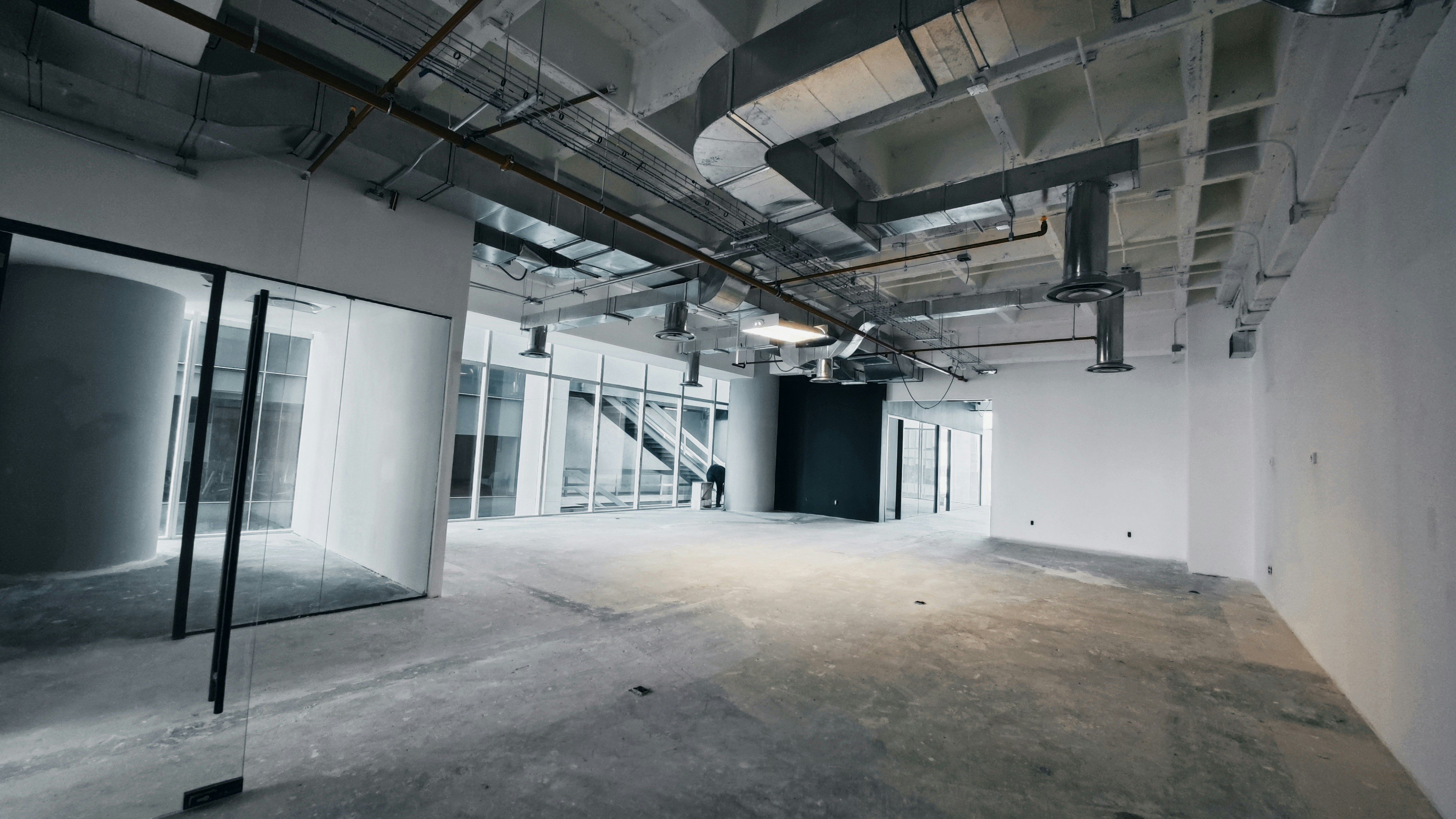
Tenant improvement work is where most commercial electrical projects either run smoothly or fall apart. A buildout has a fixed move-in date, a tenant waiting on a lease, and an existing building that may or may not be able to support what the new occupant needs. Get the electrical scope right early and the project flows. Get it wrong and you are looking at change orders, failed inspections, and a schedule that slips past the lease start.
This guide covers what property owners, general contractors, and facility managers in Wisconsin should understand about commercial tenant improvement electrical, from early scope decisions through final inspection. If you are evaluating an electrical subcontractor for a buildout, our commercial remodel and tenant improvement team works with GCs and property owners across Milwaukee and southeastern Wisconsin. You can also see the kinds of projects we have completed in our project portfolio.
Tenant improvement, often shortened to TI, refers to the electrical changes made to a commercial space to fit a new tenant or a new use. It sits between two other categories of work: new construction, which builds electrical systems from nothing, and service and repair, which fixes what already exists. TI work modifies an existing electrical system to support a different layout, a different load, or a different function.
A TI project can be as light as relocating a few circuits and updating lighting in an office suite, or as heavy as gutting a former retail space and rebuilding the entire electrical system for a restaurant. What they share is a constraint that new construction does not have: you are working inside a building that already has a panel, a service capacity, and a set of existing conditions you have to design around.
The single most important question on a commercial tenant improvement project is whether the existing electrical service can support the new use. This is also the question that gets skipped most often, which is why it causes the most expensive surprises.
A space that previously housed a low-load tenant such as a clothing store may not have anywhere near the capacity needed for a tenant with high electrical demand such as a commercial kitchen, a fitness studio with HVAC and equipment loads, or a medical office with imaging equipment. Discovering this after demolition has started is a budget and schedule problem. Discovering it during pre-construction is just a line item.
A proper TI electrical scope starts with a capacity review:
If you want a deeper look at when an existing panel needs to be upgraded, our post on signs a commercial building needs an electrical panel upgrade covers the warning signs in detail.
Different commercial uses bring very different electrical requirements. Here is how the scope tends to break down by space type.
On a tenant improvement project the electrical scope rarely runs late because of the electrical work itself. It runs late because of coordination, or the lack of it. The electrical pathways in a commercial ceiling share space with mechanical ductwork, plumbing, fire protection, and low voltage. When those trades are not coordinated, the field becomes a series of conflicts that each cost a day.
The projects that finish on time establish a few things before rough-in starts: who owns which ceiling and wall cavities, what the inspection sequence is, and how conflicts get resolved when they show up. For projects that involve data, voice, or security in addition to power, consolidating that under one contractor removes an entire coordination layer. Our team handles low voltage cabling alongside the power scope, which means one team is making all the pathway decisions instead of two teams negotiating them in the field.
If panel or switchgear work is part of the buildout, coordinating equipment procurement early matters just as much. Long lead times on electrical gear and equipment can become the critical path on a TI project if they are not ordered in time.
Commercial tenant improvement work in Wisconsin requires an electrical permit issued by the authority having jurisdiction. In most of the Milwaukee metro that is the municipal electrical inspector. In Madison and some other markets it runs through the state. The permit holder, typically the electrical contractor, is responsible for calling inspections, but as a GC or owner you should always confirm the permit is in place and know the inspection timeline, because a failed or delayed inspection on a TI project directly threatens the tenant's move-in date.
A few Wisconsin-specific items worth keeping on your radar:
Not every electrical contractor is set up for commercial tenant improvement work. When you are evaluating a sub for a buildout, the things that separate a clean project from a painful one are:
For a broader checklist on this, our guide on how to choose a commercial electrical contractor in Wisconsin walks through what to look for.
New construction builds the electrical system from nothing in a new building or shell. Tenant improvement modifies an existing electrical system to support a new tenant or use. TI work is constrained by the building's existing service capacity and conditions, which is why a capacity review is the critical first step.
Yes. Commercial electrical work in Wisconsin requires a permit from the authority having jurisdiction, even when the work is modifying an existing space rather than building new. Your electrical contractor typically pulls the permit and calls inspections.
Sometimes, but not always. It depends entirely on the new tenant's connected load versus the existing service capacity. A tenant with high electrical demand such as a restaurant or a medical office may require a panel upgrade or a new service. This should be assessed during pre-construction, before demolition.
Both. The GC owns overall trade coordination, but the electrical sub needs to participate actively in pre-construction coordination meetings and field conflict resolution. The cleanest projects happen when the electrical sub treats coordination as part of the job rather than something the GC handles for them.
It depends on scope, but the timeline is usually driven less by the electrical work itself and more by permitting, inspection scheduling, and trade coordination. A simple office buildout might be a couple of weeks of electrical work, while a restaurant or medical buildout with a service upgrade can run significantly longer.
Tenant improvement electrical is a coordination and planning exercise as much as a technical one. The projects that go well confirm panel capacity before demolition, coordinate trades before rough-in, and work with an electrical sub that knows the local permit process. The projects that go badly skip those steps and pay for it in change orders and a slipped move-in date.
If you are planning a commercial buildout in the Milwaukee area and want an electrical subcontractor who handles the capacity review, the permitting, and the coordination as part of the job, our commercial remodel and tenant improvement team is worth a conversation. Explore our full range of commercial electrical services or contact us to discuss your project.
Kohl Electrical Services provides commercial tenant improvement and remodel electrical services for general contractors, developers, and property owners across Milwaukee, Waukesha, Brookfield, Wauwatosa, Menomonee Falls, Racine, Kenosha, Madison, and throughout southeastern Wisconsin. Request a quote or view our project portfolio.
.webp)
.webp)


.jpg)
.JPG)


