The Commercial Electrical Permit and Inspection Process in Wisconsin
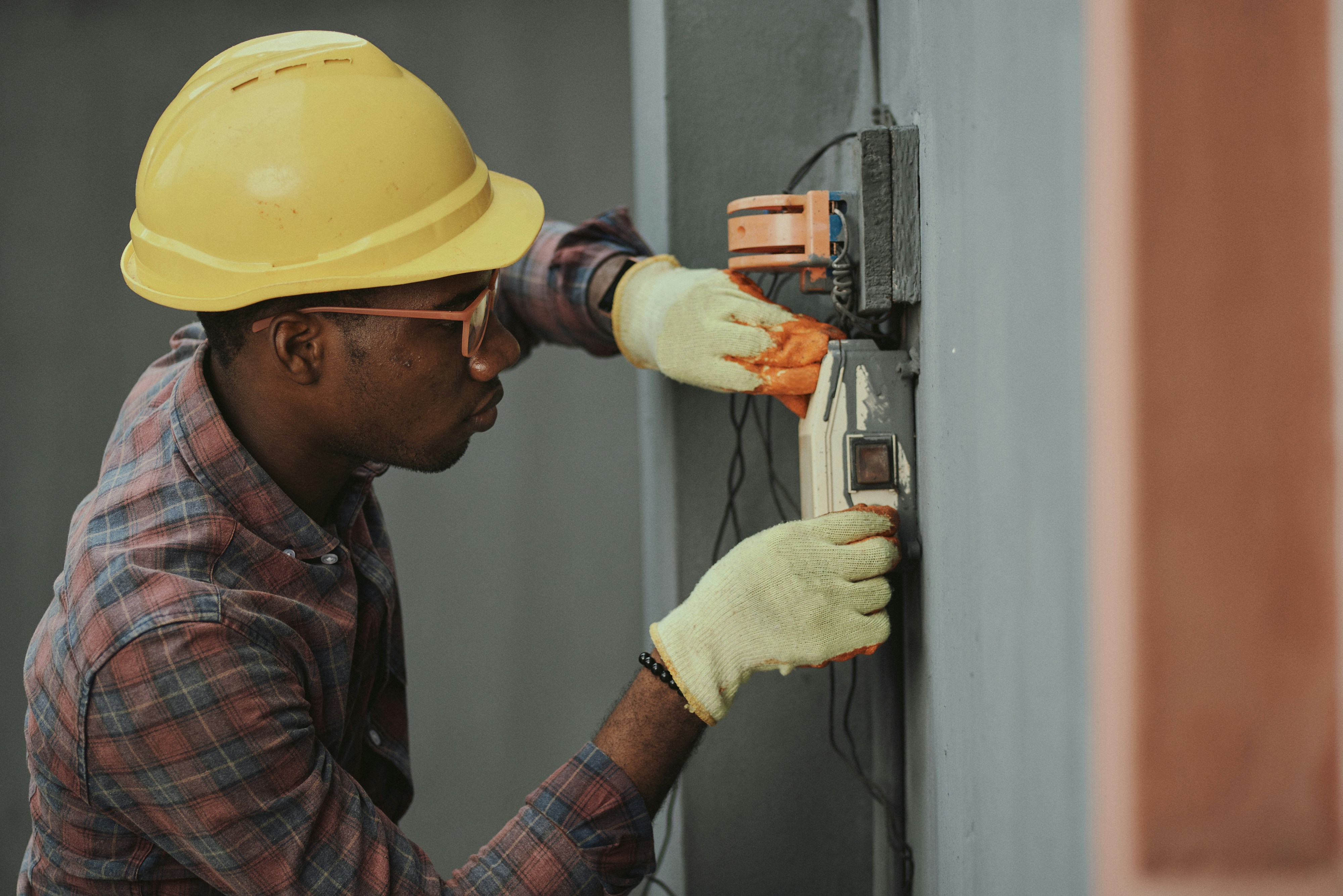
Permits and inspections are the part of a commercial electrical project that nobody enjoys and everybody underestimates. They are also where avoidable delays come from. A permit pulled late, an inspection scheduled without enough lead time, or a rough-in that fails on a detail the contractor should have caught can push a project past its deadline and force every downstream trade to wait.
This guide walks through how the commercial electrical permit and inspection process works in Wisconsin: who is responsible for what, the typical inspection sequence, and how the process changes depending on which jurisdiction your project is in. If you are a general contractor or property owner planning a commercial project and want an electrical sub who manages this process cleanly, our team handles permitting and inspection coordination as part of the job across new construction and commercial remodel projects.
Commercial electrical work in Wisconsin requires a permit from the authority having jurisdiction. This applies to new construction, to tenant improvement and remodel work, and to most service changes beyond simple like-for-like repairs. The permit exists to confirm that the work meets code and is inspected before it is concealed behind walls or energized.
The permit is almost always pulled by the licensed electrical contractor performing the work, not by the general contractor or the property owner. The contractor who pulls the permit becomes the permit holder and is responsible for scheduling and passing the required inspections. As a GC or owner, you do not pull the permit yourself, but you should always confirm it has been pulled, because work that proceeds without a permit is a serious problem that can result in a stop-work order.
The basic flow is consistent across most Wisconsin jurisdictions, even though the specific forms and timelines vary.
The electrical contractor submits a permit application to the authority having jurisdiction, describing the scope of work. For larger commercial projects, this is often accompanied by electrical plans that may go through a plan review before the permit is issued. Once the permit is approved and issued, work can legally begin. The permit is typically posted on the job site, and inspectors will ask to see it.
From there, the project moves through a series of inspections tied to construction milestones. The contractor is responsible for calling each inspection at the right point in the schedule, because work cannot proceed past certain stages until the prior inspection has passed.
Commercial electrical inspections happen in stages tied to the construction sequence. The exact stages depend on the project, but most commercial work follows this general order.
>> Table 1 embed goes here
The most important of these is the rough-in inspection, because it happens before walls close. Once drywall goes up, accessing or correcting the rough-in becomes a demolition project. Our commercial electrical rough-in checklist for general contractors covers exactly what to verify before calling that inspection.
This is the part that catches contractors who work across multiple municipalities. Wisconsin does not have a single, uniform commercial electrical permitting process. The authority having jurisdiction, the submission process, and the inspection scheduling lead times all vary depending on where the project is located.
In most of the Milwaukee metro, commercial electrical permits and inspections run through the municipal electrical inspector for that city or village. In Madison and certain other areas, the process runs through the state. This difference affects how permits are submitted, who performs inspections, and how far in advance you need to schedule.
This is one of the practical reasons local experience matters when selecting an electrical contractor. A contractor who regularly works in your jurisdiction knows the local inspector's process, the documentation they expect, and the realistic scheduling lead times, which translates directly into fewer delays.
Most permit and inspection delays come from a short list of avoidable issues:
Wisconsin adopts the National Electrical Code with state-specific amendments under SPS 316. For most commercial work the differences from the base NEC are minor, but they exist, and your electrical contractor should be current on the applicable Wisconsin amendments rather than working from the base code alone. When evaluating a contractor, this is a fair question to ask, and our guide on how to choose a commercial electrical contractor in Wisconsin covers what else to look for.
The licensed electrical contractor performing the work pulls the permit and becomes the permit holder. The GC and property owner do not pull the electrical permit themselves, but they should confirm it has been pulled before work begins.
No. Commercial electrical work cannot legally begin until the permit is issued. For larger projects that require plan review, this means the permit process needs to start early enough that approval does not delay the project start.
The inspector issues a correction notice documenting what needs to be fixed. The contractor addresses the corrections and calls for a re-inspection. In most Wisconsin municipalities a re-inspection requires a new scheduling request, which adds time to the schedule and often a re-inspection fee.
Different jurisdictions have different authorities having jurisdiction. Most of the Milwaukee metro uses municipal electrical inspectors, while Madison and some other areas run through the state. This affects submission, inspection, and scheduling, which is why local experience matters.
It varies by jurisdiction and by how busy the local inspectors are. In some markets inspections can be scheduled with a day or two of notice, while in busier markets they require more lead time. Your electrical contractor should know the realistic lead times for your jurisdiction and build them into the schedule.
The commercial electrical permit and inspection process is not complicated, but it is unforgiving of poor planning. Permits pulled on time, inspections scheduled with adequate lead time, and rough-in work that is self-reviewed before the inspector arrives are what keep a project on schedule. The contractor you choose matters here, because local jurisdiction experience is the difference between a smooth approval process and a series of avoidable delays.
If you are planning a commercial project in the Milwaukee area and want an electrical subcontractor who manages permitting and inspection as part of the job, explore our full range of commercial electrical services or contact us to discuss your project.
Kohl Electrical Services provides commercial electrical services for general contractors, developers, and property owners across Milwaukee, Waukesha, Brookfield, Wauwatosa, Menomonee Falls, Racine, Kenosha, Madison, and throughout southeastern Wisconsin. Request a quote or view our project portfolio.
.webp)
.webp)


.jpg)
.JPG)


