Commercial Backup Generators for Wisconsin Businesses: Sizing, Costs, and Installation
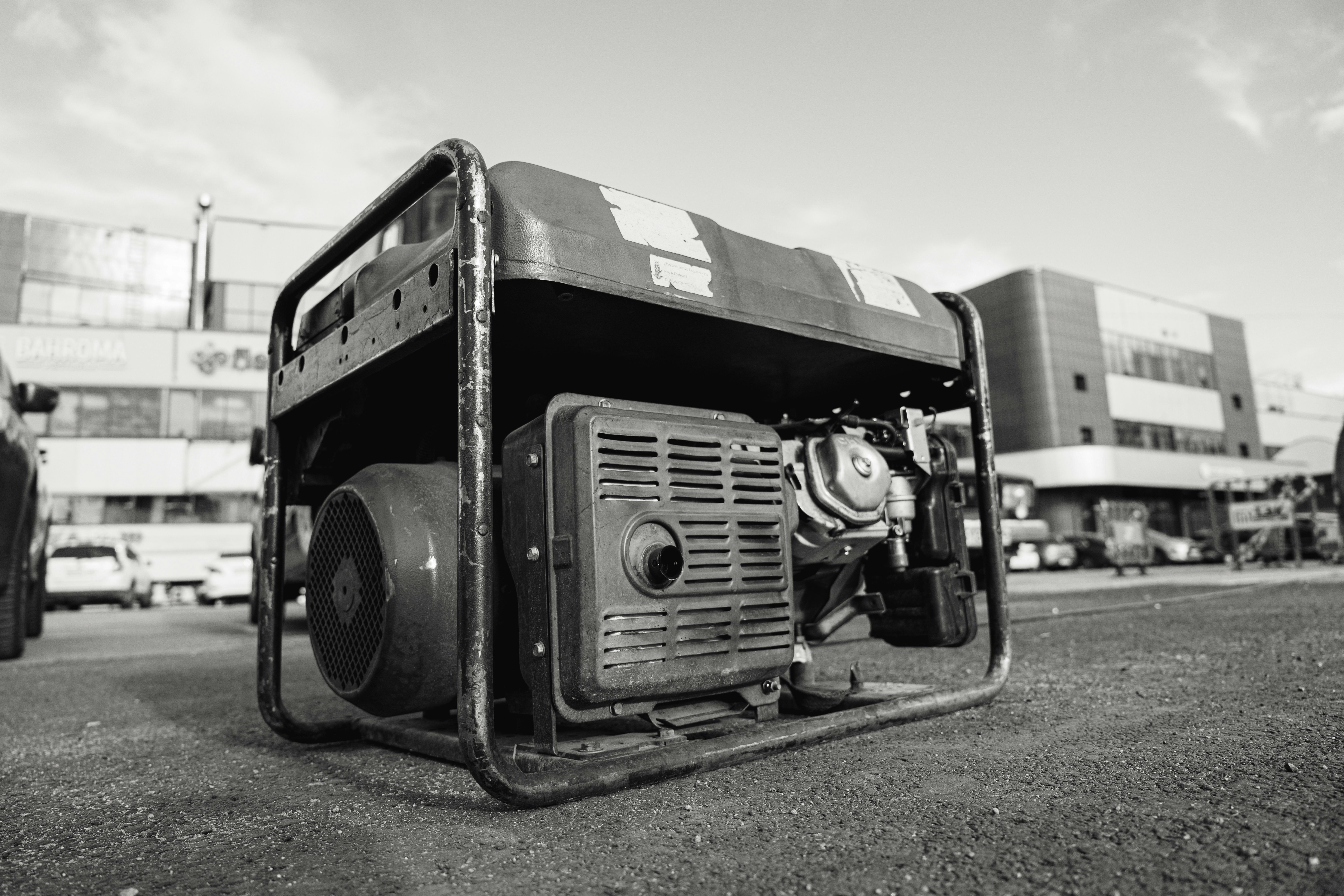
For a commercial facility, a power outage is not an inconvenience. It is lost revenue, spoiled inventory, idle staff, failed equipment, and in some cases a safety or compliance problem. A commercial backup generator removes that risk by keeping critical systems running when utility power goes down. The challenge is selecting the right system, because a generator that is undersized will not carry the load, and one that is oversized is money spent on capacity you will never use.
This guide covers what Wisconsin business owners and facility managers should understand about commercial backup generators: how sizing works, the difference between fuel types, what installation involves, and what drives the cost. If you are evaluating backup power for your facility, our team handles commercial generator sizing, installation, and service across the Milwaukee area and southeastern Wisconsin.
Wisconsin businesses face power interruptions from winter storms, summer thunderstorms, grid demand events, and equipment failures on the utility side. For some facilities an outage is a minor disruption. For others it is a serious operational and financial event.
The facilities that benefit most from backup power tend to share one of a few characteristics: they store perishable or temperature-sensitive inventory, they run critical equipment that cannot lose power, they serve customers who expect continuous operation, or they have life safety systems that must remain functional. Medical and dental offices, restaurants and grocery operations, data and server rooms, manufacturing facilities, and multi-tenant commercial buildings all fall into this category.
Generator sizing is the single most important decision in the process, and it is more involved than picking a number off a chart. Proper sizing is based on the actual electrical load the generator needs to support, which depends on what you want to keep running during an outage.
The first decision is whether you want the generator to power the entire facility or only critical systems. Whole-facility backup carries everything, but requires a larger and more expensive generator. Critical-load backup powers only the systems you cannot afford to lose, such as refrigeration, server rooms, and life safety equipment, which allows a smaller and more cost-effective system.
From there, a proper load calculation accounts for the starting and running loads of all connected equipment, since motors and compressors draw significantly more power at startup than during normal operation. This is why sizing should be done by a qualified electrical contractor based on your facility's actual equipment rather than a rough estimate.
These ranges are general guidance only. Your facility's actual requirement depends on the specific equipment you need to support, which is why a load calculation is the right starting point.
Commercial standby generators in Wisconsin are most commonly fueled by natural gas or diesel. Each has tradeoffs, and the right choice depends on your facility, your fuel access, and how long you need to run during an outage.
For most commercial facilities in the Milwaukee area connected to a natural gas supply, a natural gas standby generator is the common choice because of the continuous fuel supply and lower maintenance. Diesel is often preferred where natural gas is not available or where the facility needs very large capacity.
A commercial generator installation is more than setting the unit and connecting it. A proper installation includes several coordinated components:
Because the generator ties directly into your facility's electrical system, panel capacity and configuration matter. In some cases supporting a generator requires electrical panel or switchgear work, which should be assessed as part of the project rather than discovered after installation.
There is no single price for a commercial generator because the cost is driven by several factors:
A backup generator only delivers value if it starts and carries the load when the outage happens. That reliability depends on regular maintenance: scheduled testing under load, fluid and filter service, battery checks, and inspection of the transfer switch and connections. Many commercial facilities set up a maintenance schedule so the system is tested and serviced on a regular interval rather than left untouched until it is needed. Our team provides ongoing commercial electrical service and maintenance that can include generator service.
It depends on whether you want to back up your entire facility or only critical systems, and on the specific equipment you need to keep running. A qualified electrical contractor performs a load calculation that accounts for both the running and startup loads of your equipment. This is the right way to size a commercial generator rather than estimating from facility size alone.
For most commercial facilities connected to natural gas, a natural gas standby generator is common because of the continuous fuel supply and lower maintenance. Diesel is often chosen where natural gas is not available or where very large capacity is needed. The right choice depends on your fuel access, capacity needs, and runtime requirements.
Yes. A commercial generator installation requires an electrical permit, and depending on the fuel type and configuration may involve additional permitting. The installing contractor handles the permit and the required inspections.
A commercial standby generator should be on a regular maintenance schedule that includes load testing, fluid and filter service, and battery and transfer switch checks. Regular maintenance is what ensures the generator actually starts and carries the load during an outage.
Yes, but a whole-facility generator is larger and more expensive than one sized for critical loads only. Many facilities choose to back up only the systems they cannot afford to lose, which allows a smaller and more cost-effective system. The decision depends on your operational needs and budget.
A commercial backup generator is an investment in keeping your business running through outages that would otherwise cost you revenue, inventory, or compliance. The value of that investment depends almost entirely on getting the sizing right, choosing the appropriate fuel type, and installing the system properly with a transfer switch and the right electrical integration. Working with an electrical contractor who performs a real load calculation and handles the installation and ongoing service is what makes the difference between reliable backup power and an expensive system that disappoints when it matters.
If you are considering backup power for your facility in the Milwaukee area, our team handles commercial generator sizing, installation, and service. Explore our full range of commercial electrical services or contact us to discuss your project.
Kohl Electrical Services provides commercial backup generator and electrical services for businesses across Milwaukee, Waukesha, Brookfield, Wauwatosa, Menomonee Falls, Racine, Kenosha, Madison, and throughout southeastern Wisconsin. Request a quote or view our project portfolio.
.webp)
.webp)


.jpg)
.JPG)


